Saturday, 28 November 2015

Mugaritz, San Sebastián #2MichelinStars

Like any restaurant with 2 Michelin stars and a ranking in The World’s 50 Best (No.6), Mugaritz was always “on my radar”. Then I met and shared a meal with Per-Anders and Lotta Jorgensen. Together they founded FOOL “the best food magazine in the world” (my quote).

As well as editing FOOL, Per-Anders is probably “the best (food) photographer in the world” (his quote), and it’s his photography in Chef Andoni Luis Aduriz’s cookbook that helped Mugaritz move to the top of my list.

Many times I’ve said how ‘expectation’ can play a role in my enjoyment of a restaurant – too high may result in a let down; conversely, low expectation can lead to being pleasantly surprised. I’ve read many mixed reports of Mugaritz but somehow I just knew I’d “get it”.

Mugaritz seems to have a reputation as a love it or hate it kind of place. When eating a tasting menu with an excess of twenty dishes, it's reasonable to assume that there may be one of two that will not "hit the spot" but I loved every mouthful. 


Lacquered duck neck with herbs from the garden (Cuello de pato locado con su jugo, hierbas de la huerta) – I loved this one, for something so light it had deeply rich and sticky umami flavours which were contrasted by the freshness of sprout, nasturtium and radish leaves from the Mugaritz garden.  


Blue bread and anchovy (Pan azul y anchoa) – made to resemble a blue cheese, this dish was essentially a mouldy anchovy sandwich. As delicious as it was, I wouldn’t recommend trying to recreate this dish at home with a tin of anchovies and some rotten Warburton’s.  


Walnut omelette (Tortilla de nueces) – more intense, woody flavours came on the form of a light walnut omelette with indulgent oozing centre.  


Caesar’s Mushroom with sesame (Amanita Caesarea) – Amanita mushrooms are the kind that the Smurfs live in; this one came halved with a crust of pine nuts and red pepper powder. A citrusy cream added an acidity which balanced the earthiness.


Tiger nuts with caviar (Chufa con caviar) – I’ve not come across tiger nuts before, however a little research tells me that they are in fact not a nut at all but a tuber. They are most commonly used to make Horchata. In this instance they had been used to make a wafer like tile, topped with caviar.        


Stewed and aromatic lamb’s tongue (Lengua de cordero guisada y perfumada) – another corker of a dish for me (I got to eat my wife’s too as she’s squeamish about tongues, from animals). More rich, umami flavours comong from another glossy glaze; this time lifted with a little mint.


Vegetal bestary (Bestiario vegetal) – served alongside a garlic and almond crumb, this dish consisted of shrivelled aubergine skin with smoky and peppery flavours.  


Vegetable tiles: A handful of Highland grass (Teselas vegetales: Un manojo de semillas y brotes de teff) – resembling a Furby, this was one of the most delightful things I’ve ever been served. A creamy hazelnut centre lay within the tufty outer, made from a species of African ‘lovegrass’ called teff.


At this point in the meal, I accepted the invitation into the kitchen but only because one of the dishes was to be served there. My wife declined the offer so they served her portion of fermented rice at the table.


…decadentia… another extraordinary dish. A smoked eel mousse came festooned with petals from hibiscus, mallow, dahlia and basil flowers – the brilliance being you could actually eat the fork! It’s certainly one way of cutting down on the washing up.


Chestnut, truffle and garlic (Castañas, trufas y ajos) – after the previous dishes, the next dish disappointed in its creativity, fortunately what it lacked in this area, it more than made up for in flavour! Along with the crispy garlic and and ultra thing shavings of truffle, the appearance of fermented acacia leaves particularly pleased.


A thousand leaves… (Mil hojas) – served with a cube of the region’s famous Idiazábal cheese, the “thousand leaves’ referred to the layers and layers of chard leaves cooked in a beef stock and glazed in a lustrous beef reduction.


Oily fish, beetroot and horseradish (Pescado azul, remolacha y rábano) – a truly vibrant dish in terms of both colour and flavours, a tranche of oily fish came blanketed buy a shocking pink fermented beetroot emulsion, pepped p by a shaving of fresh horseradish.  


Pigs tails and squid (Rabitos y chipirón) – pork and squid are always happy bedfellows. Whilst we’ve all heard of nose to tail eating, tentacle to tail is probably a new concept to most. Here generous portions of tender squid meat came enrobed in a sweet, salty porcine sauce with bitter notes from the accompanying herbs. Crispy Iberian tail scratchings added more salty goodness and crunch.


Garlic glazed in lamb juices (Ali glacé) – served with slice of toast and some fresh chickweed leaves, roasted garlic bulb steeped in a sticky lamb jus reduction was a true delight! Umami flavours, toast and garlic… an absolute stunner!


Grilled fish and beef essence (Prescado a la parrilla y esencia de chuleta) – a beautiful piece of grilled fish with a sauce made with beef fats. It worked for me.  


Sea anemones and vegetable touch (Ortiguillas y acentos vegetales) – a speciality of Cádiz, I’ve had breaded sea anemones before but this one had been elevated to another level.  


Veal, radishes and vine shoot (Ternera, rabanitos y sarmientos) – a Mugaritz classic, I’m so glad the milk fed veal was served as part of this menu. The meat was so juicy and sweetly flavoured, which contrasted perfectly with the bitterness from the charred vine shoots and sharpness of radish.


The cheese (El queso) – served in a folded piece of muslin, I loved the simplicity of the cheese course. A sheep’s cheese similar to an Idiazábal, the pieces came from cheeses matured for 3 months, 6 months and 12 months respectively. This allowed for their individual nuances to be appreciated; such a simple, yet great idea.


Whiskey pie (Tarta al “güisqui”) – texturally light with subtle caramel and malty flavours.  


Grape & brioche (Uva y brioche) – another light desert with simple harmonious flavours.


Peanut shortbread (Polvorón de cacahuete)


Jasmine & hay (Ovillo de jazmín y heno) – I love Japanese mochi sweets so this was a pleasant surprise. The jasmine flavour was distinct with a considered use of hay.


The seven deadly sins of Mugaritz (Los siete pecados capitales de Mugaritz) – having to guess which of the petits fours represented each of the seven deadly sins was a fun (and tasty) end to a faultless meal.


We’ve booked to return to San Sebastián / Donostia in May and Mugaritz will be on the itinerary again!


Friday, 27 November 2015

Azurmendi, Spain #3MichelinStars

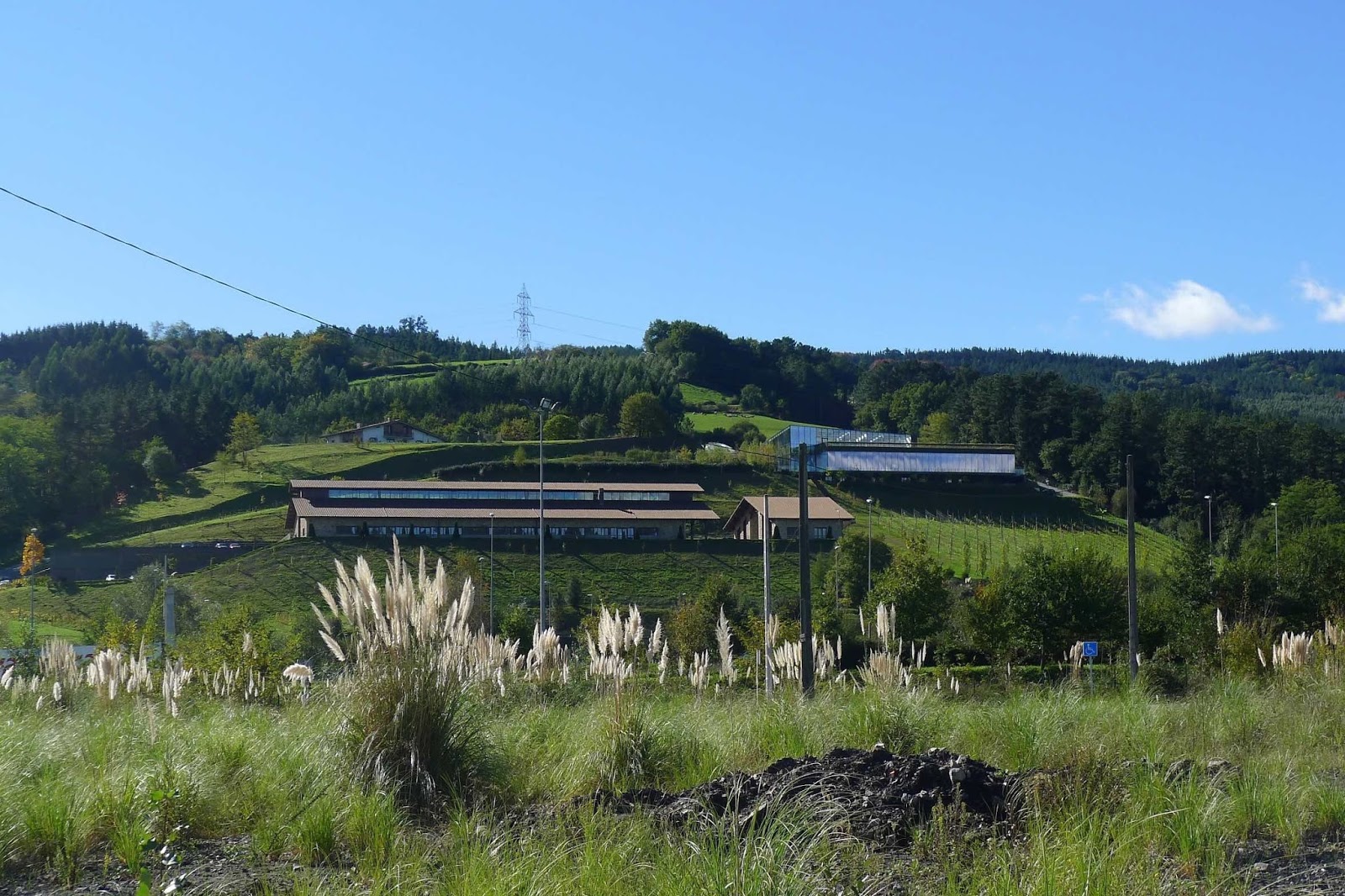
Perhaps I’m being a bit of a twat but despite having been served some of the best and most beautiful dishes I’ve ever eaten, by a slick front of house team, I’m not going to be raving over Azurmendi… nor, would we return in a hurry.


When planning my first trip to the Basque region, as well as “eating ALL the pintxos”, I wanted to visit a couple of the region’s most celebrated and salubrious Michelin starred restaurants. My heart said I should go to Mugaritz (which we also visited and will be written up soon) and Arzak but most folk I spoke to said Azurmendi should be at the top of my list!


The truth is, the more I read about Azurmendi, the less I fancied it – descriptions of kitchen tours and appetisers hidden amongst the foliage in the greenhouse did not excite as I’m sure is the intention. Perhaps it was some kind of self fulfilling prophecy and I appreciate that some (probably most) would find these experiences as something special, but we just found it irritating.


I know this may sound churlish but we just didn’t like this part of “the experience”. Call us old fashioned but, after travelling to the restaurant, we just wanted to be shown to our table, given a drink and presented with the menu.


Upon arrival, we were seated to wait in the ‘Garden’ area. Shortly after we were greeted again and invited to follow the waiter – instead of being taken to the table, we were led outside, up a long flight of stairs, around the building and into the greenhouse. Here, waiting chefs are stood at various points where they serve the “First Act”.


To begin, the first thing we were presented was a bitter, citrusy “Cocktail” (I don’t drink so I swiftly handed this to my wife). Then we were shown a shrub with a basket attached, containing the “Citric rind” made from baked and dehydrated Jerusalem artichoke skins, topped with a citrus gellée.


Far from being a relaxing stroll around the greenhouse, what was rapidly becoming an overwhelming and bombarding experience continued. Along with too much information to digest, we were presented a canapé made with mushrooms and peanuts, fashioned into a “Peanut”.


Having to “Ohh and ahh!” with a chef and waiter looking on was becoming a quite unnerving feeling, one we repeated with the “Asparagus cotton” – it was clever and tasted great and all that but I’d have enjoyed it much more had it been served at the table so I could have enjoyed it without an audience.


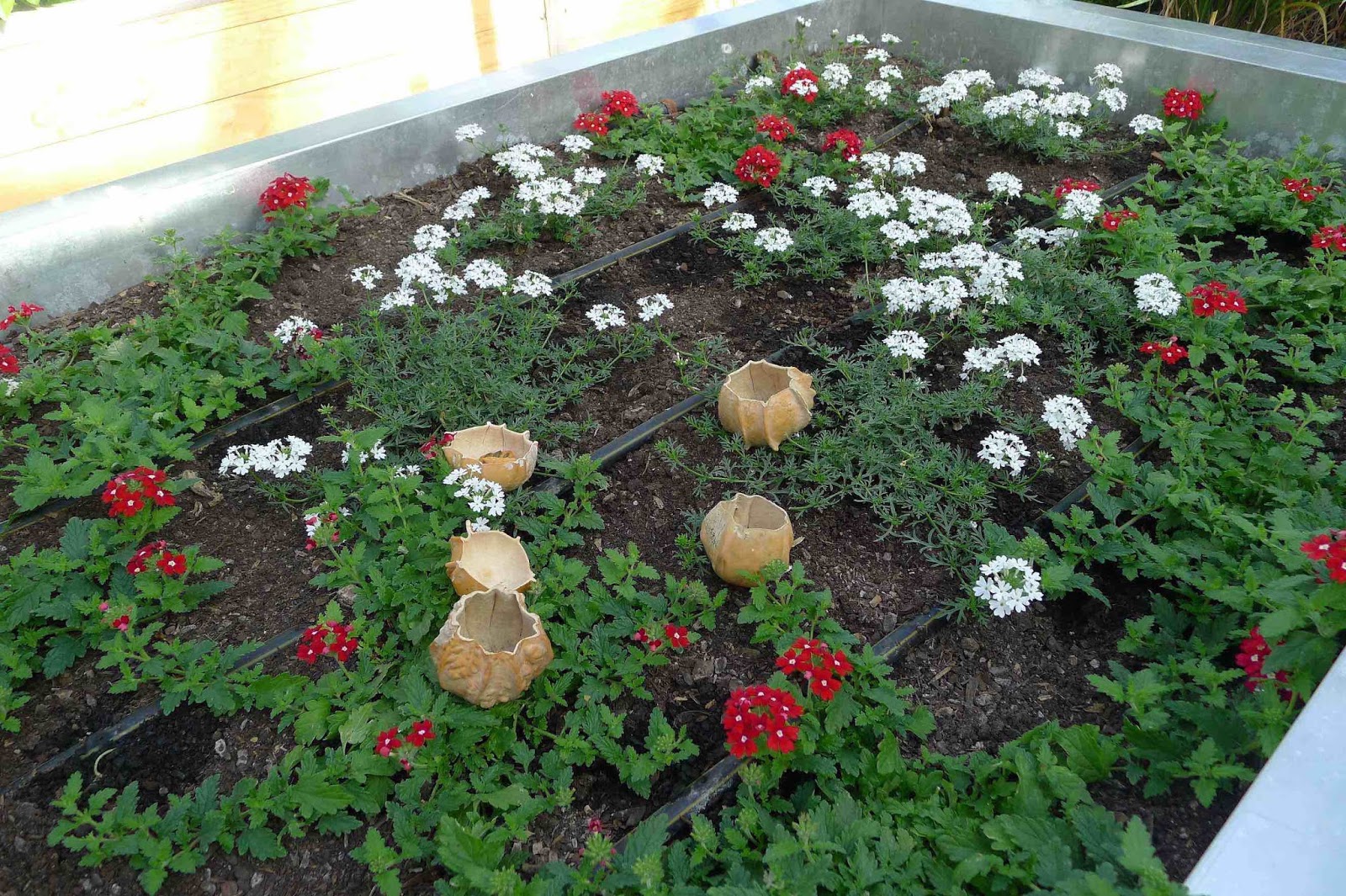
Next, we were to take a “Pumpkin biscuit” from a dried, hollowed-out gourd. Of course, uncomfortable embarrassment ensued as I tried to get the thing out of the small aperture; not easy when you have hands like Ree-Yees from Star Wars. I have no recollection of what it tasted like, just a memory of my wife guffawing next to me and the waiter looking at my fat sponge fingers.


Of all the greenhouse dishes, my favourite was the “Pickled courgette” – with little wooden tongs, at least this one could be eaten in a more dignified manner.


The final thing to nibble on was the liquid centered “Avocado pit” – I popped mine in whole as instructed but this time it was my wife (who isn’t used to putting big things in her mouth) who struggled. Tottering around a greenhouse in high heels, carrying a handbag and two wine glasses whilst trying to eat a series of savoury treats was starting to take its toll.


Fortunately, we were now led back down stairs. Back in the garden, for the “Second Act”, a picnic basket was awaiting. This time we were at least left to enjoy the contents at our own pace. As such, these bites were way more pleasurable. The “Homemade salted anchovy’s millefeuille” was the pick of the bunch for me but my wife enjoyed the boozy “CaipiriTxa” with its caipirinha and local txakoli liquid centre.


Upon the waiter’s return, finally we assumed we’d be led to the table. Alas not, we were now shown to the kitchens for the “Third Act”. I never like being invited into the kitchens at restaurants, for the same reason as I don’t want to look under the bonnet every time I travel in a car. That said, having just driven for an hour to spend the last thirty minutes gasping, at least the kitchen visit gave me an opportunity to have something to drink, albeit a tiny shot of “Hibiscus infusion”.


To go with the hibiscus and awkwardness of being stood like lemons in a kitchen whilst the chefs got on with their tasks, the final canapé was a “Chestnut leaf” – made from chestnut and mushrooms, this was a clever thing but it couldn’t really be described as delicious.


Finally, we were shown to out table… and what a corker it was too! The views across out of the floor to celling windows across the Basque countryside were stunning. The menus available are called “Erroak” (their ‘best of’ / ‘classic dishes’) and “Adarrak” (their latest creations) – we selected the classics.


If the meal had started at the “Fourth Act” or of the first three ‘Acts’ had been taken at the table, then I’m sure I’d be raving over Azurmendi – but sadly, the charade of of traipsing around the greenhouse, garden and kitchen did mar our overall experience.   


As mentioned (and expected from a restaurant ranked No.19 on 'The World's 50 Best Restaurants') the food itself was beautiful in terms of presentations and flavour combinations. With a meal comprised of classic dishes at 3 Michelin star level, every dish is obviously a tried and tested winner. That said, I still had a few faves – the “Squid Noodles, crunch and infusion”, “Pigeon, duxelle and cauliflower” and the phenomenal “Egg from our hens, cooked inside out and truffled”.


The “Egg from our hens, cooked inside out and truffled” is probably the best single bite of food I’ve eaten. To produce this piece of alchemy, the kitchen used a fancy pants technique involving a hot Périgord truffle broth being injected into an egg yolk which sets the proteins from the inside.


The only faults throughout the meal were with the breads – the steamed buns at the beginning were ace but the other breads suffered from drying out on one side, from either being cut too long or sitting too long under the pass lights. Not great for 3 Michelin star level.


First Act – Our Greenhouse


Cocktail


Citric bark


Peanut


Pumpkin biscuit


Pickled courgette


Asparagus cotton


Avocado pit


Second Act - Our Garden


Homemade salted anchovies millefeuille


Roe and dill


CaipiriTxa


Third Act – The Kitchen


Hibiscus infusion


Chestnut leaf


Fourth Act – The Balcony


Frozen olive and vermouth


Egg from our hens, cooked inside out and truffled


Natural prawn, emulsion, juice and avocado


Squid Noodles, crunch and infusion


Roasted lobster out of the shell on herb oil and chives


Mushrooms and lamb sweetbreads


Fried Hake, roasted red pepper infusion and parsley


Pigeon, duxelle and cauliflower


Orange, strawberry and ginger


Chocolate, hazelnuts and rosemary


Petits fours


Twitter Feed